 Anir Suren
If you're an agent, you already know listing video sells. It pulls more views, more saves, and it tells a seller you'll actually market their home instead of sticking it on the MLS and hoping. The problem has always been that video is slow and expensive: a videographer, a shoot day, an editor, a few hundred dollars, and a week of waiting. This does the same job from the photos you already have, in a few minutes, and it runs entirely inside Claude. You connect Claude to Higgsfield once, point it at a Zillow link, and it grabs the listing photos, turns them into moving clips, drops a clean title on each room, and stitches the whole thing into a showcase you can post today. Here's the full setup and the exact prompt.
The setup, about 30 seconds
This runs through the Higgsfield MCP, a connector you add to Claude one time. There's no download and nothing to install on your computer.
- Search Higgsfield MCP and open the first link. You'll land on a page with a connection URL. Copy that URL.
- Open Claude, click Claude Code in the top left, then Customize. Under Connectors, hit the Add button, then Add custom connector.
- Name it higgsfield, paste the same URL you copied, and hit Add. That's the piece that actually connects Claude to Higgsfield, and honestly it's the most cracked AI combination out right now.
One honest note: you'll also need a Higgsfield account with credits, since that's the engine doing the real rendering. Each five second clip runs about seven or eight credits, so a full five clip showcase costs you around forty.
How to use it
Grab your Zillow listing URL. The prompt is built to read Zillow's page layout, so use a Zillow link. Paste it at the top of the prompt below where it says, then send the whole thing. Works on an active listing, a coming-soon, or one you just closed and want a highlight reel of.
The exact prompt
Paste your Zillow URL at the top where it says, then send all of it. Yes, it's long and technical. That's exactly why it pulls the real photos and the real details instead of guessing.
LISTING: [paste your Zillow listing URL here]

Turn the Zillow listing above into a cinematic 16:9 horizontal property showcase video. Use the Higgsfield MCP connector (image to video) plus ffmpeg and Python PIL. Run every step autonomously and deliver the finished video. Print the room inventory and the shot list as you go.

STEP 1: Pull the listing
- WebFetch is blocked by Zillow, so curl the page with a desktop browser User-Agent. Parse the <script id="__NEXT_DATA__"> JSON and its gdpClientCache. Extract the address, price, beds and baths (read these from resoFacts, not the rounded fields, which are often wrong), living area, lot size, year built, and the responsivePhotos array (grab the highest-res jpeg for each photo). Do not regex the whole page for image URLs, that pulls in junk.
- Download the photos to references/<address>/ at up to 1536px. Classify each one into a room and print a numbered inventory. If the pull fails for any reason, STOP and report exactly what you did and didn't get instead of guessing.

STEP 2: Pick 5 scenes and camera moves
- Choose 5 photos, one per scene, every one 100% real to the listing: 1) exterior (the REAL facade, ideally the twilight shot, never an aerial or a stock-looking angle or it will invent a front door), 2) backyard or pool, 3) aerial top-down of the lot, 4) kitchen, 5) living or great room.
- Assign one subtle cinematic move to each: exterior = slow push-in toward the entry; backyard = slow reveal push across the pool and patio toward the house; aerial = slow descending push over the property; kitchen = smooth lateral slide down the counter; living = low, slow dolly-in. Keep every move gentle and 100% true to its photo. Print the shot list (scene, photo, move) first.

STEP 3: Render each clip on Higgsfield (image to video)
- For each of the 5 photos: upload it with the Higgsfield media_upload tool, PUT the file to the upload URL it returns, then media_confirm to get its media_id.
- Call generate_video with model "kling3_0_turbo", image to video, passing medias: [{ value: <media_id>, role: "start_image" }], the scene's camera-move prompt, 16:9 horizontal, about 5 seconds, highest quality. Poll job_display until each job finishes and download the finished rawUrl. Never invent rooms, furniture, or text that isn't in the photo. If a clip drifts off the real room, re-render it once with a tighter move.
- Normalize every downloaded clip to 1280x720 with ffmpeg (scale to fill, center-crop, 30fps).

STEP 4: Build the title cards
- With Python PIL, make one transparent 1280x720 lower-third PNG per scene, bottom-left: a small gold letter-spaced eyebrow "THE RESIDENCE", a short gold underline rule beneath it, then the scene title in a white Didot serif (about 58px) with a soft drop shadow and a subtle dark bottom-left scrim so it stays legible over bright rooms. Titles, in order: "Twilight Arrival", "Resort-Style Pool", "The Grounds", "Chef's Kitchen", "Open-Concept Great Room". Adjust the wording to fit the actual home.

STEP 5: Assemble and deliver
- Take the best, motion-rich 2.0 seconds of each clip. Overlay its title PNG with a 0.35s fade-in and a 0.30s fade-out. Hard-cut concat the five 2-second cuts in this exact order: exterior, backyard, aerial, kitchen, living, into one 10 second 1280x720 MP4. Leave it clean with no baked-in music so a track can be dropped under it. Print the final scene order, the titles used, the facts pulled in Step 1, and the output file path.

Keep it accurate: the on-screen details and every clip must match the real listing exactly, never cinematic instead of accurate.
Claude pulls the real photos straight from your listing, animates each one on Kling 3.0 Turbo using that exact photo as the reference frame, drops a clean title on each room, then stitches them into one polished showcase. Real photos in, one finished video out.
Here's it running on a real listing
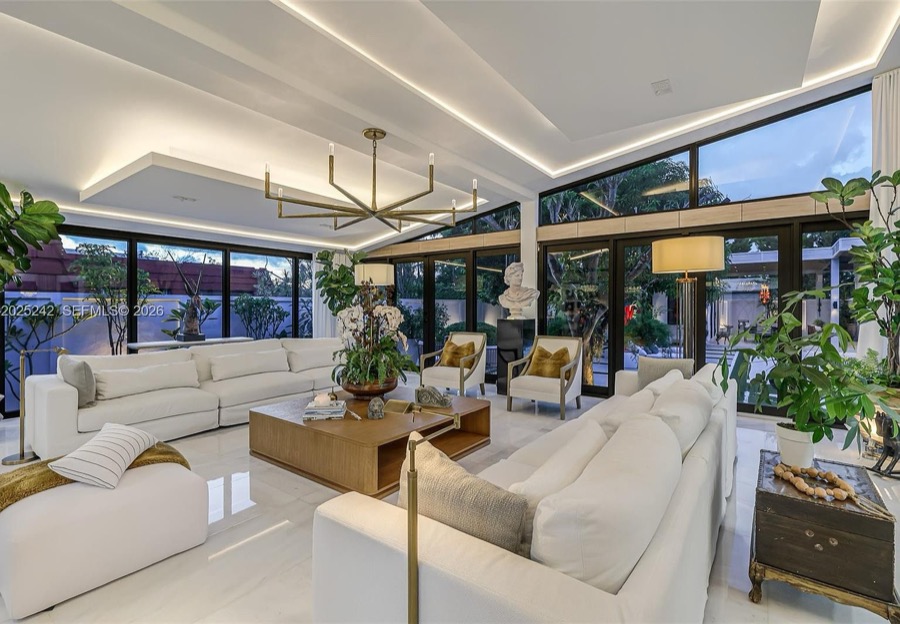
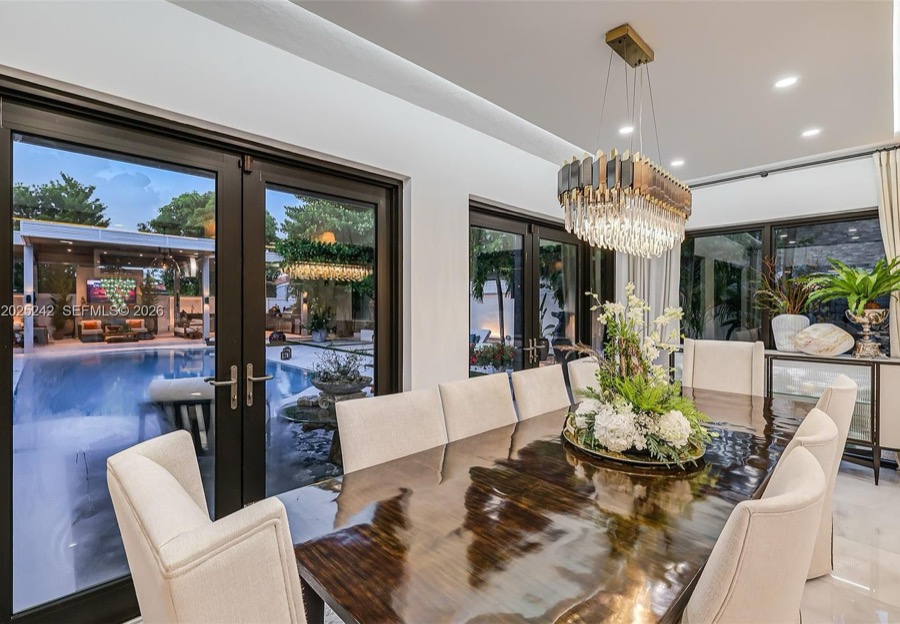
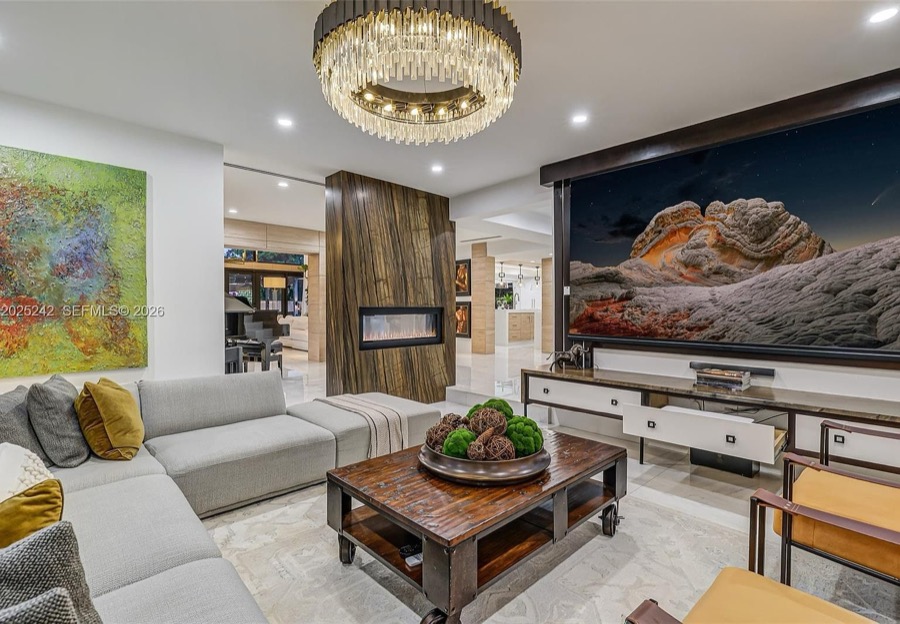
I pointed the exact prompt above at a real Miami listing, 8761 SW 56th St. Everything below is from that one run: the real house, the real photos it pulled, and the real video it built. No stock, no manual editing.
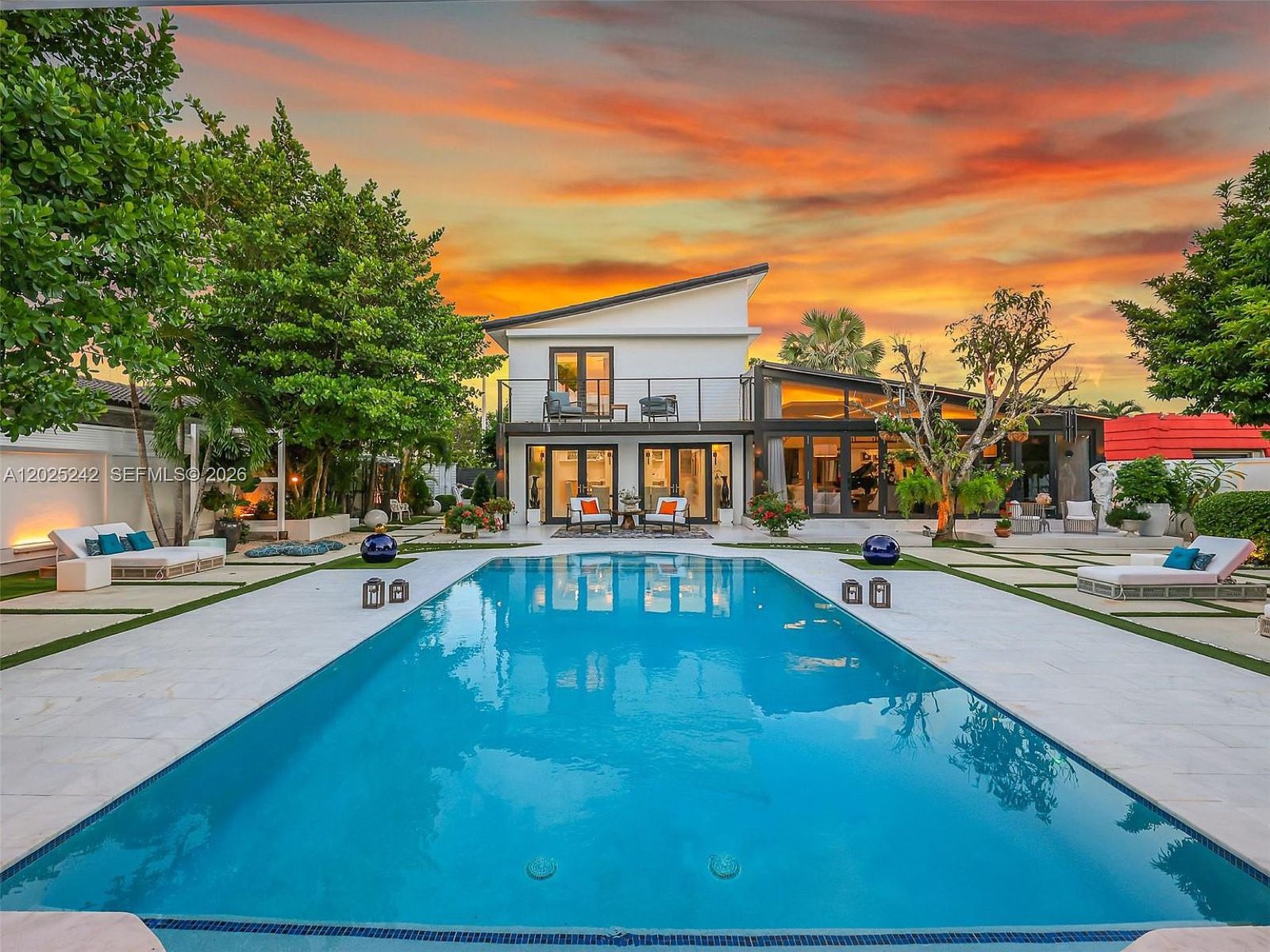
The actual listing, pulled straight from Zillow.
1. It pulls every photo off the listing
It reads the Zillow page, downloads the full photo set, and sorts every shot by room. Here's a slice of what it grabbed from this one:
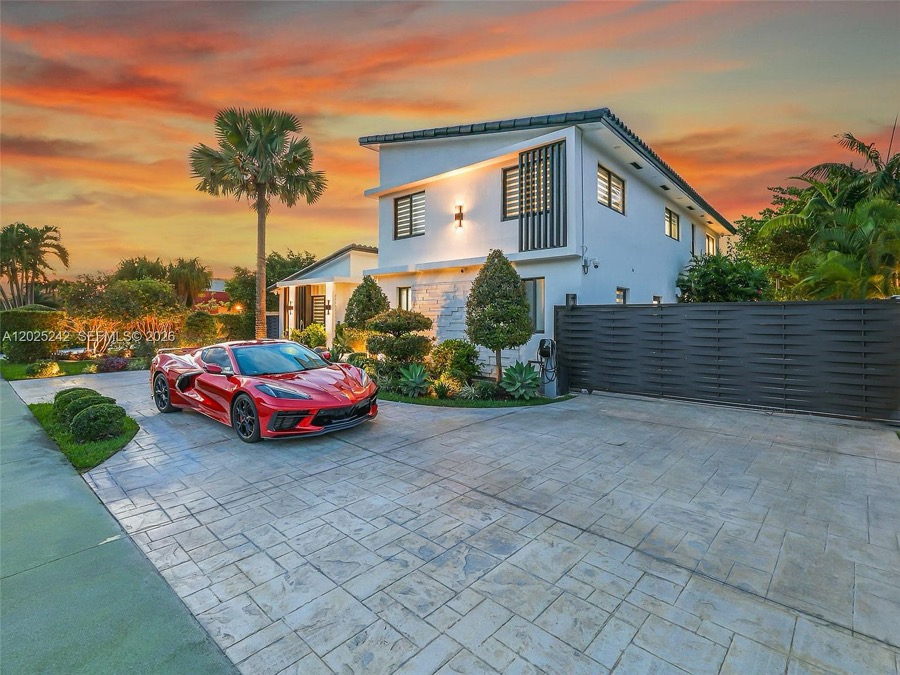
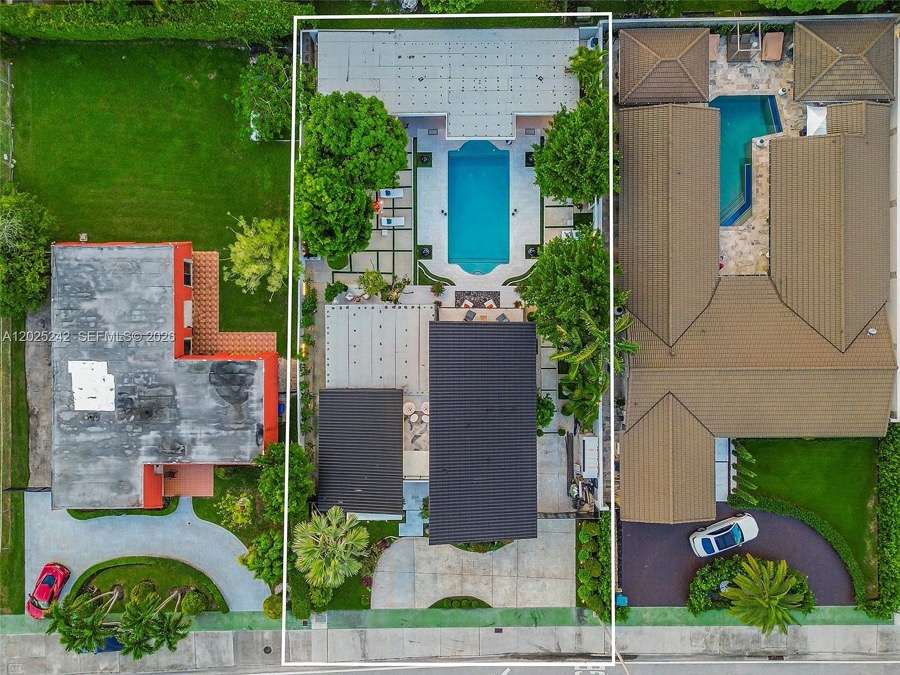
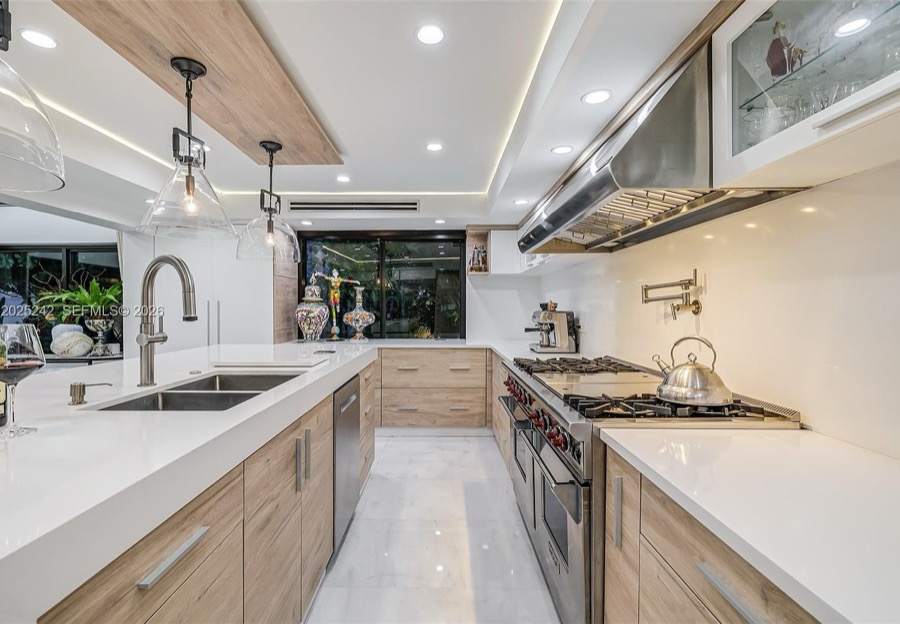
2. It turns them into the video
Each clip is animated from one of those exact photos on Kling 3.0 Turbo, with subtle cinematic motion, and it lays a clean title on each room so the whole thing is ready to post. Here's the finished showcase it produced, start to finish:
One listing link in, that video out, in a few minutes. That's the whole thing.
Where to actually use it
- Post it the day you list. Reels, TikTok, YouTube Shorts, your story. The video comes out clean in vertical and horizontal, so it's ready wherever you post.
- Win the listing with it. Walk into the listing appointment with a sample showcase of a comparable home. Sellers hire the agent who markets hardest, and this proves you do.
- Sell it as a service. You could run this on other agents' listings and charge a few hundred a video. The render costs you a handful of credits, so the margin is almost the whole thing.
- Do one for every listing. It takes minutes, so there's no reason a single property goes up without a video again.
- Reuse the clips. Pull the exterior shot for a paid ad, a kitchen clip for an email blast, a backyard clip for a story. One run gives you a whole content set.
One thing to keep clean
Use it on listings you represent. Those photos are yours to market with, so you're in the clear. The one rule: keep the details on screen accurate to the home, exactly like you would on the MLS. Don't let a title card or a caption claim a square footage, a price, or a feature the house doesn't have. Cinematic and accurate, never cinematic instead of accurate.
Buyers decide in the first few seconds whether they want to see a home. A photo gallery asks them to imagine the place. A showcase video shows it to them. That's the whole edge, and now it costs you minutes instead of a shoot day.
Run it on your newest listing tonight. The first time you post a showcase and watch the saves roll in, you'll never put a listing up without one.
– Anir
If this is the kind of AI thinking you want working on your own business, apply to work with me. And to catch the next breakdown, join the newsletter.